


Many patients ask which thread is “the best.” In practice, thread choice should be based on clinical indication, tissue characteristics, and treatment goal, not popularity alone.
Thread lifting has two major decision layers: thread structure (smooth, screw, barbed) and material behavior (for example PDO, PCL, or PLLA-related options). Both influence planning.
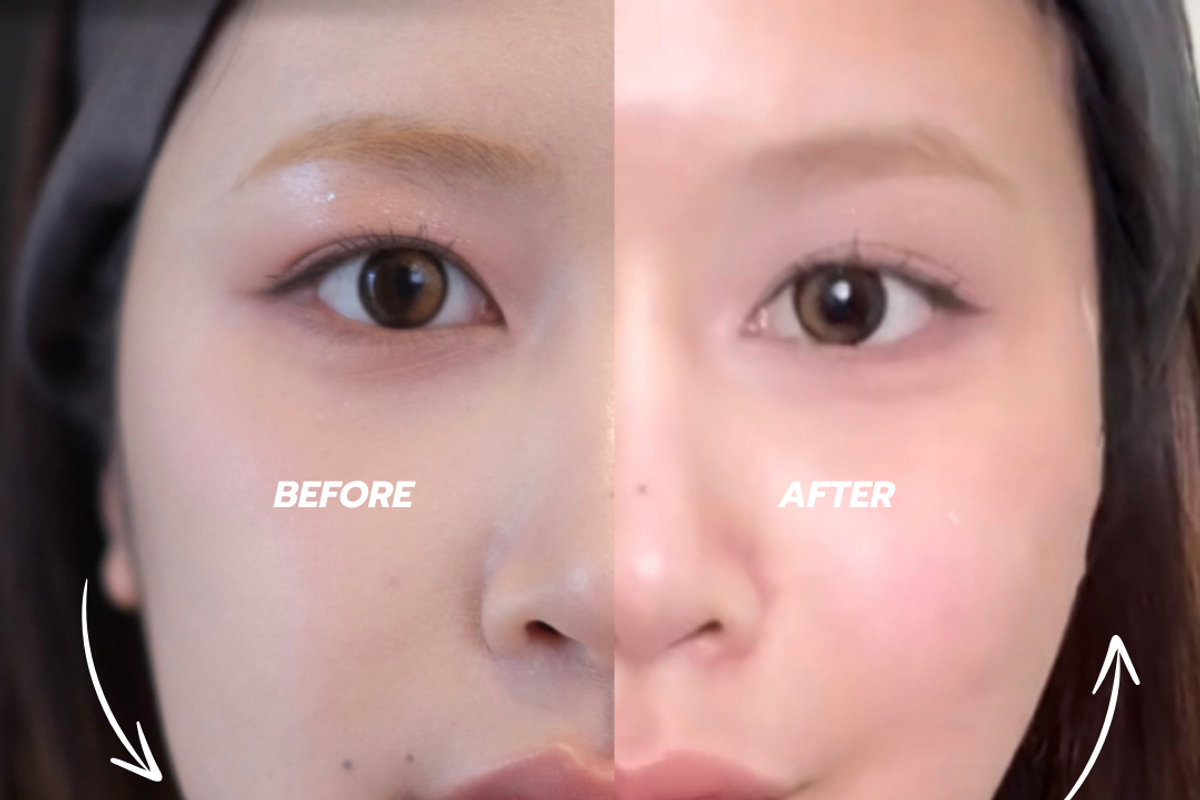
Core thread structures
Smooth threads are often selected for skin support and collagen stimulation. Screw-style designs may provide localized support, while barbed threads are typically used for stronger lifting vectors.
- Mono threads: skin-quality and collagen-oriented support
- Screw threads: local volume or support in specific zones
- Cog/barbed threads: stronger tissue engagement and lift
Material profile matters
- PDO-based options are widely used in clinical practice
- PCL-based options may be selected for longer support in some plans
- PLLA-related options can be considered in specific protocols
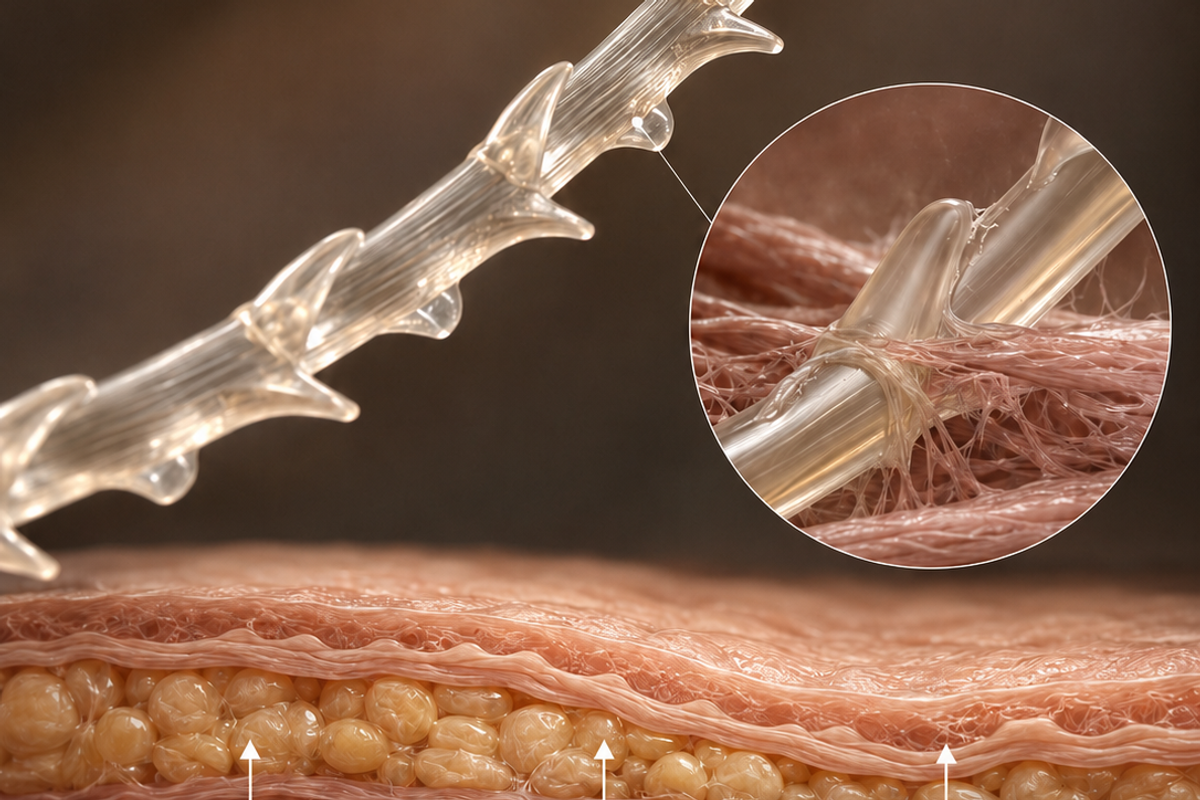
Why one type does not fit all
Two patients with similar concerns may still need different thread plans due to skin thickness, tissue mobility, asymmetry, and desired contour style.
- Concern area defines vector and anchoring design
- Laxity grade influences thread type selection
- Facial expression dynamics should be preserved
How doctors choose in real practice
- Assess baseline structure and tissue behavior
- Set realistic lifting and balance goals
- Select thread type and number with safety margin
Common mistake to avoid
Over-correction or trend-based thread selection can reduce naturalness. Medical-luxury standards prioritize proportion, movement, and long-term harmony over aggressive immediate tightness.
Summary
Thread-lift type selection is a medical design process. The best outcomes come from physician assessment, proper indication, and personalized thread architecture.
Related reading
• Thread Lifting: What It Is, Benefits, Thread Types, and Who It Is For
• Is Thread Lift Dangerous? Risks, Safety Criteria, and How to Reduce Side Effects
• Explore category: Thread Lift
• View patient outcomes: Reviews