

Natural-Looking Lip Filler: The Multi Vector Technique Designed for Individuality, Not a One-Size-Fits-All Pout
Why "Natural Lip Filler" Isn't Measured by Volume

I often meet patients worried that lip filler will leave them with a "puffy" or overfilled look — an understandable concern, since the popular image of lip filler often comes from techniques that focus on adding large volumes without considering each person's natural lip structure.
In reality, what determines whether lips look natural isn't how much filler is injected — it's the location and depth of injection, and whether it respects the natural anatomy of each person's lips.
Introducing the Multi Vector (MV) Lip Technique
A study published in the Journal of Cosmetic Dermatology in 2025 describes a technique called the Multi Vector Lip technique, or MV Lip, developed by a group of Brazilian dermatologists and plastic surgeons. The core principle is dividing the lip area into geometric shapes based on the lips' natural anatomy, then injecting filler along directions and angles specifically designed for each shape — referred to as "vectors."
The upper lip vermilion is divided into two circles (the lateral tubercles), two lateral triangles (for filling the lateral fat-pad compartments), and a central pentagon (the central tubercle) beneath two smaller triangles at the base of Cupid's bow. The lower lip vermilion is similarly divided into two circles and two symmetrical triangles, with a smaller triangle centred between the two circles.
This design serves not only as an injection guide, but also as a diagnostic tool for assessing which areas of a patient's lips need more or less treatment.
Injection Depth: The Core of Safety
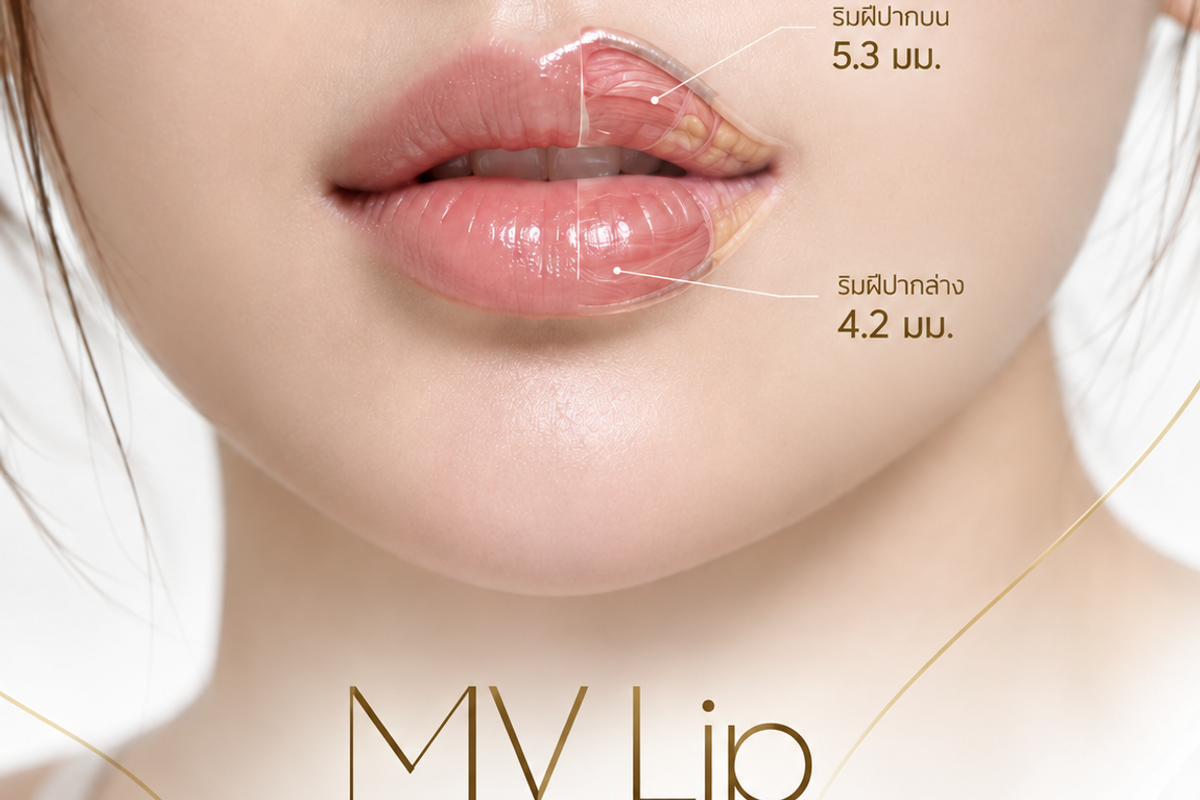
I want to particularly emphasise injection depth, since it determines both safety and how natural the result looks. Anatomical research cited in this paper found that the arteries supplying the upper lip (superior labial artery) and lower lip (inferior labial artery) are most commonly located in the mucosal and submucosal layers, at average depths of approximately 5.3mm in the upper lip and 4.2mm in the lower lip — and are found in the subcutaneous plane in fewer than 5% of cases.
Because of this, the MV Lip technique primarily targets superficial injection, which significantly reduces the risk of intravascular injection. It also incorporates aspiration for roughly 3 seconds every time the needle is reinserted, as an additional safety measure.
What Makes Lips Look Natural
From this research's perspective, natural-looking, attractive lips generally share several characteristics: the lower lip is slightly fuller than the upper lip, at an approximate ratio of 1.6:1 among Caucasian women — though this ideal ratio can be adjusted based on ethnicity, culture, and individual preference. A well-defined Cupid's bow and distinct vermilion border contribute to a youthful, natural look. The outer limit of the lips should align with the inner edge of the iris, and lip volume should be evenly distributed, gently tapering toward the corners. Additionally, the upper and lower tubercles should interlock, allowing natural movement during speech and smiling.
What the Study Found
The study of 253 female patients across 5 treatment centers in Brazil — a highly ethnically diverse group including Hispanic/Latin, Caucasian, Black, Asian, and Indigenous participants, ranging from adulthood up to 80 years old — found that the average filler volume used was just 1.06mL. Patient satisfaction averaged 3.92 out of 4, with injecting physicians rating results similarly at 3.89 — both notably high scores.
In terms of safety, adverse events were mild and temporary: edema in 15.8% of patients and bruising in 11.1%. No major complications or cases of vascular occlusion were recorded throughout 9-12 months of follow-up.
What I Want Patients to Understand
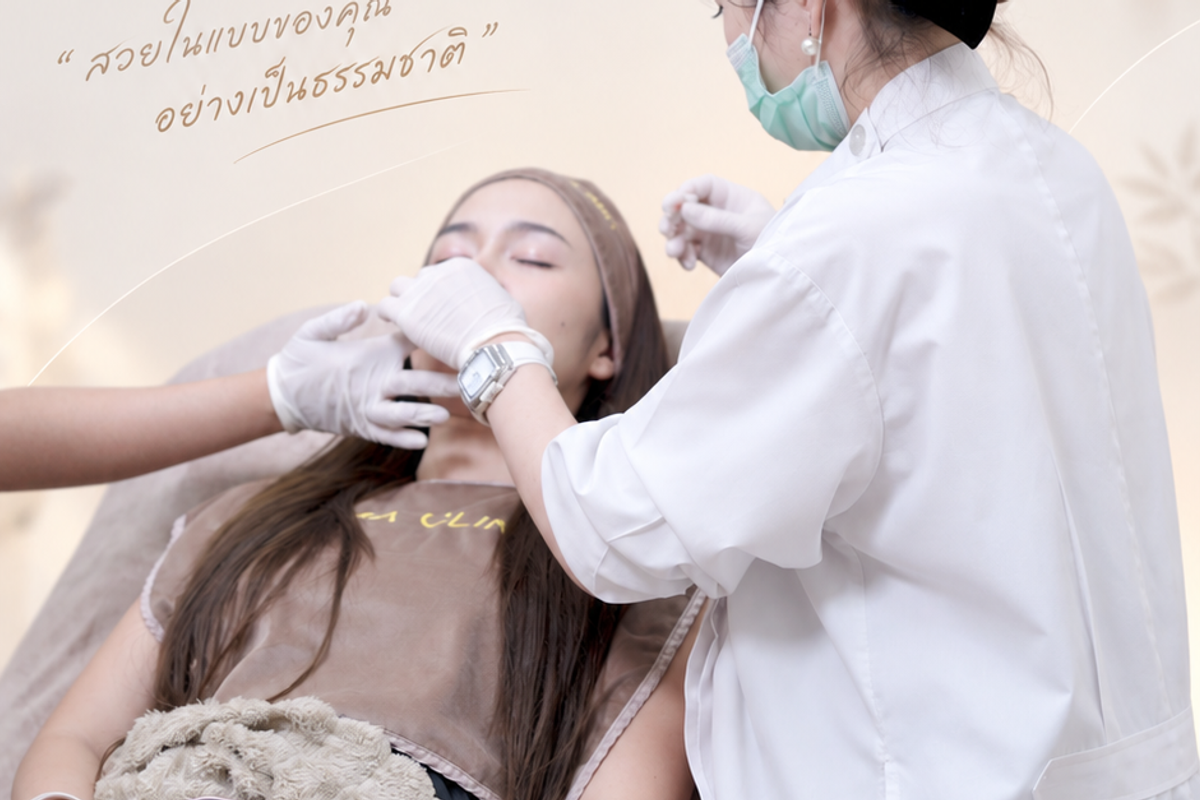
I want everyone considering lip filler to understand that "natural lips" doesn't simply mean injecting less product — it means injecting in a way that respects each person's existing lip structure, rather than giving everyone the same lip shape. Vector-based techniques that reference individual anatomical landmarks — such as the position of the lateral incisor or the line from the inner eye corners — allow lip design to adapt to each person's facial proportions, rather than applying one fixed formula to everyone.
Final Thoughts
The success of natural-looking lip filler comes from combining detailed anatomical understanding, precise injection technique, and respect for each person's existing lip structure — rather than focusing on how much filler goes in. Choosing a physician who genuinely understands these principles is the single most important factor in achieving results that are both beautiful and safe.