

"Doctor, Should I Get Filler or a Thread Lift?"
Dr. Pun hears this question constantly in the clinic. Both procedures help the face look more youthful, but they work through completely different mechanisms. Understanding this difference makes it much easier to choose the treatment that actually addresses your specific concern.
Fundamentally Different Mechanisms
Filler works on the principle of "restoring volume." Filler substances (usually hyaluronic acid) are injected into areas that have lost volume — such as hollow cheeks, deep under-eye troughs, or deep nasolabial folds — to restore fullness.
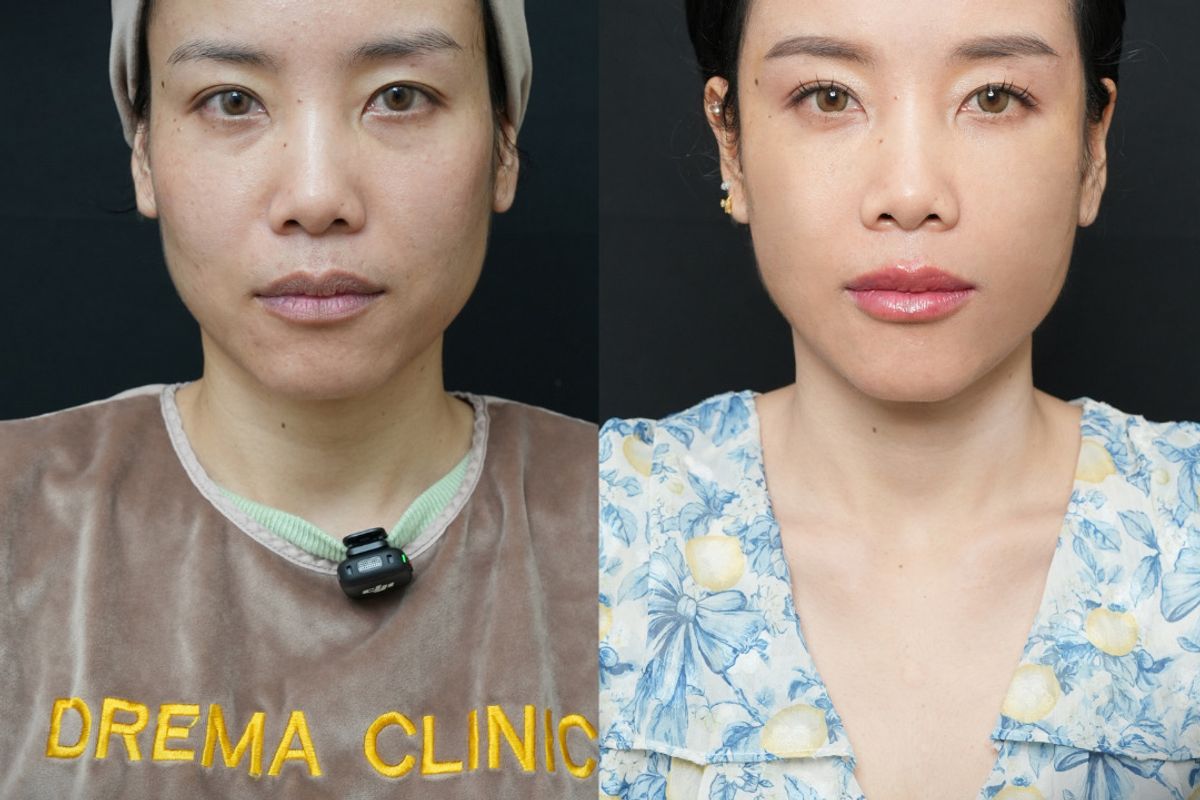
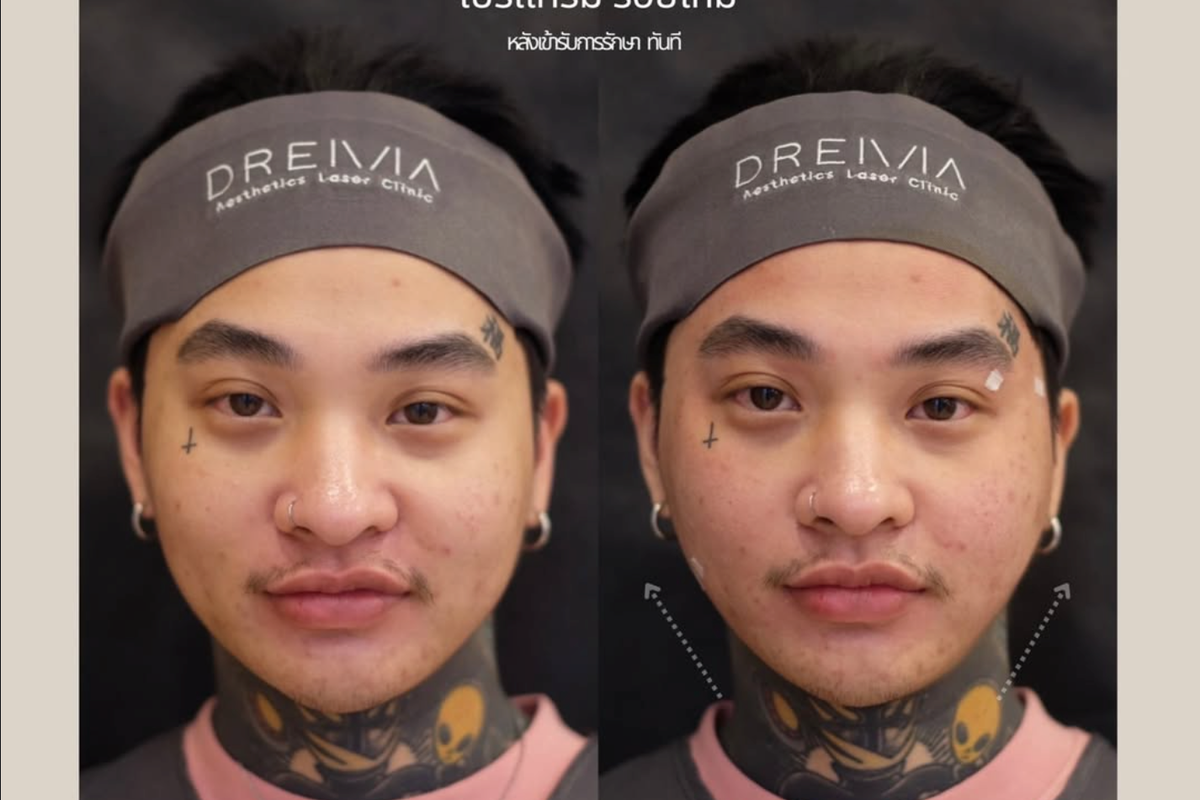
Thread lift works on the principle of "pulling and repositioning structure." Threads are inserted beneath the skin and anchored to a strong point, such as deep fascia, then used to pull sagging tissue back into a higher, firmer position.
"I usually explain it to patients this way: filler is like adding padding where a cushion has gone flat, while thread lift is like pulling a loose bedsheet taut again. They solve two completely different problems."
Key Points of Comparison
1. Problems Each Addresses
Filler suits volume-loss concerns: hollow cheeks, sunken temples, deep under-eye troughs, or deep nasolabial folds caused by thinning subcutaneous fat.
Thread lift suits structural sagging concerns: drooping cheeks, loose jawline, an undefined facial contour, or skin that has begun sagging from gravity.
2. Sensation and Immediate Experience
Filler produces immediate results after injection, with a soft, natural texture since it's a gel that integrates with tissue.
Thread lift produces both immediate mechanical lifting and long-term collagen-stimulation effects around the thread. Initially, there may be some tightness or a palpable sensation of the thread beneath the skin, which softens over time.
3. How Long Each Lasts
Most HA fillers last approximately 8–18 months, depending on the type and injection site, as the body gradually breaks down the substance through natural enzymes.
PDO threads typically dissolve on their own within 6–12 months, though the firming effect from stimulated collagen may last longer than the thread itself.
4. Anatomical Considerations and Limitations
Filler injection requires careful attention to vascular anatomy, since accidental intravascular injection can cause tissue ischemia.
Thread lifting also requires careful vascular consideration, particularly at anchor points, which must be placed in safe fascial locations away from major vessels — such as the temple area, where the superficial temporal artery runs.
So Which Should You Choose?
Dr. Pun generally recommends the following approach:
- If the main issue is "loss of volume" — hollow cheeks, sunken temples, deep under-eye troughs — filler is typically the better fit.
- If the main issue is "sagging" — drooping cheeks, an undefined jawline, a blurred facial contour — thread lift is typically the better fit.
- If both issues are present simultaneously — which is common as we age — combining both treatments often produces more complete results than either alone.
"There's no single answer as to which is 'better' — filler or thread lift — because it depends on whether your concern is volume loss or structural sagging. Some people benefit from combining both for the best possible result."
Summary
Filler and thread lift aren't competing treatments — they're tools that solve different problems. Choosing the right one starts with identifying whether your concern is volume loss or structural sagging, which should be assessed by a qualified physician to plan the most precise treatment approach.
At Drema Clinic, we offer personalized consultations tailored to you. If you're wondering whether filler or thread lift is right for you, feel free to reach out for a chat.