


Counterfeit fillers remain one of the most preventable risks in aesthetic treatment. The safest approach is to verify the product source and receive treatment only from qualified medical teams.
This guide explains practical warning signs, pre-treatment checks, and decision rules that help you reduce risk before any filler session.
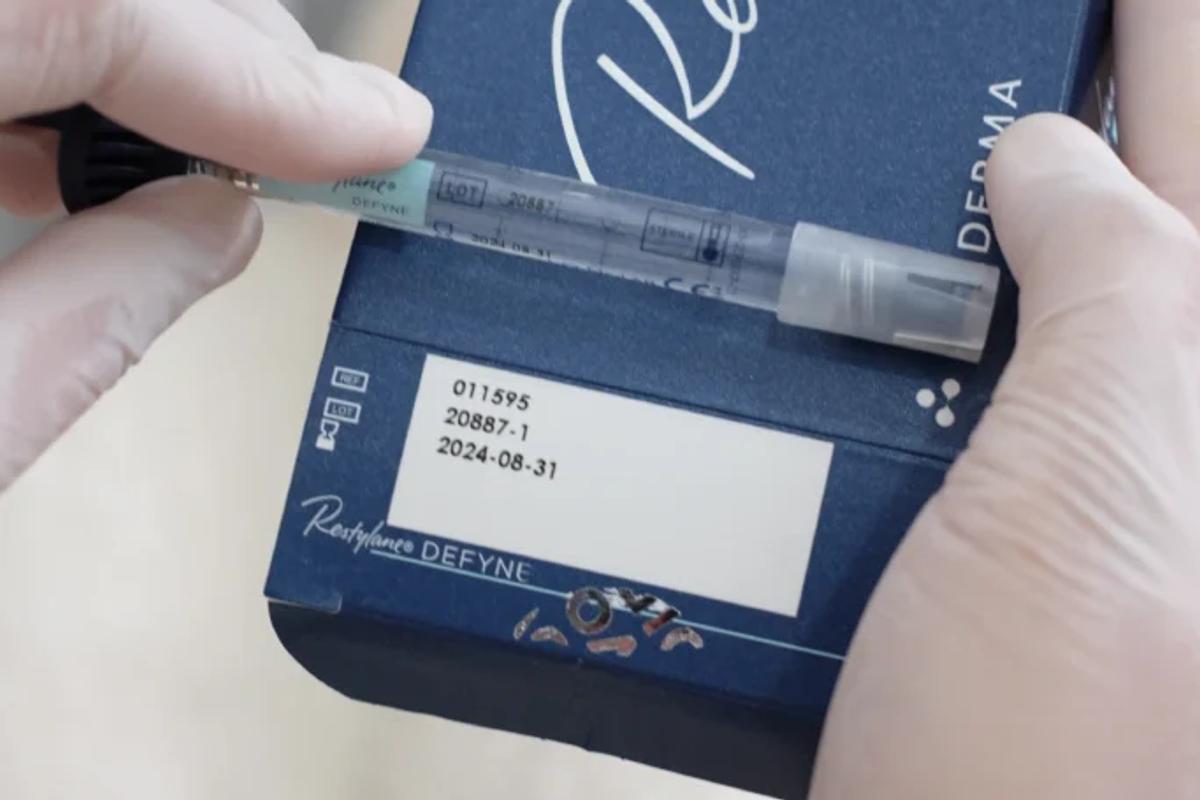
What are fake fillers?
Fake fillers are non-authentic or unapproved injectable products presented as branded hyaluronic-acid fillers.
They may carry uncertain composition, unstable quality, and significantly higher risk of complications compared with standard products.
How to check filler authenticity before treatment
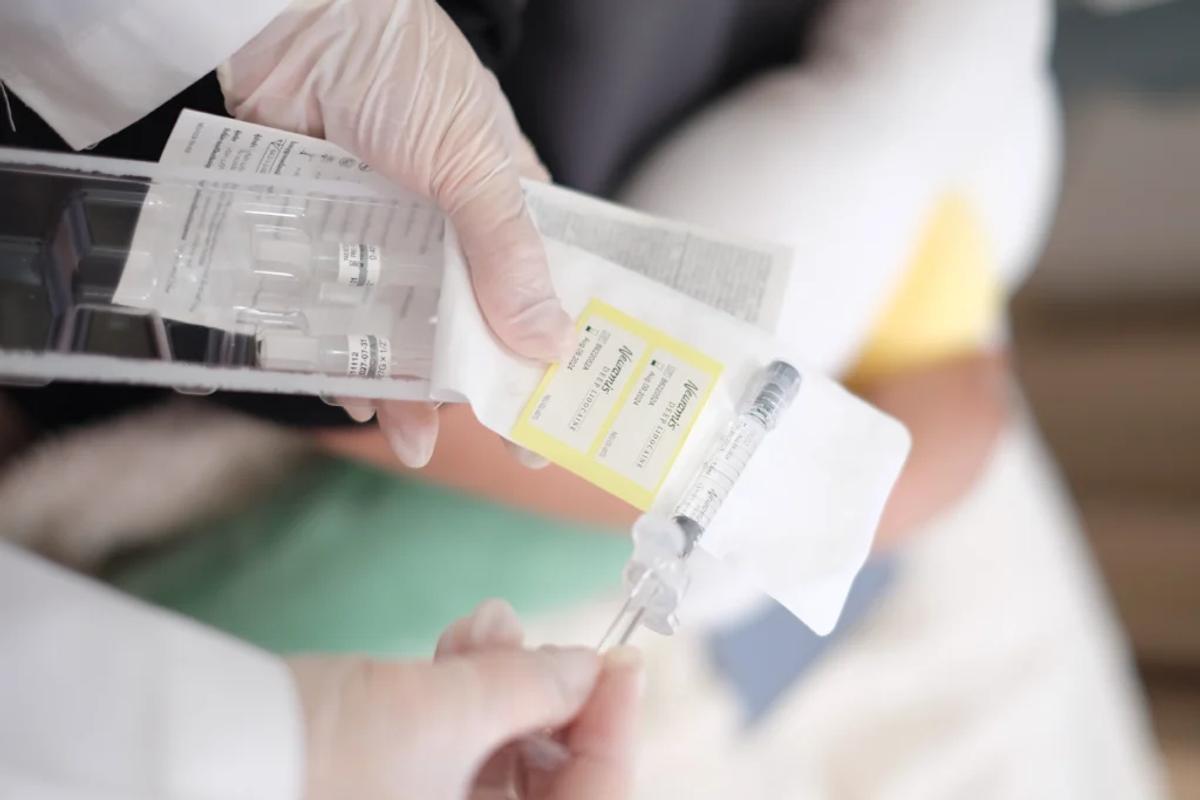
Ask to verify the product box, lot number, and official labeling before injection.
Request a physician explanation on why that model is selected for your facial structure and treatment goal.
- Check Thai FDA/authorized product status
- Confirm unopened package and batch details
- Keep treatment documentation for follow-up
Who should be extra cautious
Patients seeking low-price promotions without product transparency should be particularly careful.
High-risk zones such as under-eye and nose require experienced physician technique and strict product quality control.
Related reading
• Brand comparison:Best Filler Brands
• Restylane guide:Restylane Filler
• Neuramis guide:Filler Neuramis
• Under-eye risk guide:Under-Eye Filler Risks
• Explore category:Filler
• Real outcomes: Under-Eye Filler Reviews
• All reviews:Reviews
Summary
Avoiding fake fillers starts with product verification and a certified clinical process. Physician-led assessment remains the key to safe and natural outcomes.