

Botulinum Toxin for Trapezius Contouring ("Shoulder Botox" / "Trap Tox"): What the Research Actually Shows
This systematic review analysed 9 studies covering 121 cases of botulinum toxin type A (BoNT-A) injection into the trapezius muscle for shoulder aesthetics — a trend often called "Barbie Botox," "Trap Tox," "Shoulder Slimming," or "Neck Toning." All cases showed some degree of aesthetic improvement. Dosages ranged from 20-50 units per side, with effects lasting approximately 4-5 months. Mild, transient side effects (temporary weakness, injection-site pain, minor bruising) occurred in 13 of 121 cases (10.7%), typically resolving within 1-2 months. No severe or permanent complications were reported. However, the evidence base remains limited in size and study design consistency, so larger, standardised randomised controlled trials are still needed.
A Thick Neck-Shoulder Line Isn't Always About Body Fat
Have you ever noticed that a wide-neck top or off-shoulder dress makes your neck look shorter and your shoulders look bulkier — even though your overall body proportions are fine? One common, often overlooked reason is a hypertrophic upper trapezius muscle. This can result from genetics, posture habits (especially desk work), weightlifting, or chronic tension that keeps the muscle overworked and enlarged over time.
Recently, injecting botulinum toxin into the trapezius to reshape the shoulder line has become a popular trend, known by various names — Trap Tox, Barbie Botox, Shoulder Slimming, or Neck Toning. As your doctor, I want to walk you through what a 2025 systematic review by Kapoor and colleagues actually found, so you can understand the mechanism, effectiveness, and risks clearly before making a decision.

How Trap Tox Works
Botulinum toxin type A (BoNT-A) works by inhibiting acetylcholine release at the neuromuscular junction, temporarily reducing muscle contraction in the treated area. With sustained reduced use, the muscle gradually atrophies (shrinks), which can make the neck-to-shoulder line appear longer and more slender. This is the same underlying mechanism used for masseter (jaw) muscle reduction — just applied to a different muscle group.
What the Evidence Shows
The systematic review identified 9 eligible studies totalling 121 patients across South Korea, China, Spain, Thailand, Italy, and the USA. Key findings include:
- Dosage ranged from 20-50 units per side, depending on muscle thickness and the number of injection points (typically 5-10 points per side).
- Visible results generally appeared within 1-3 months and lasted approximately 4-5 months before the muscle gradually returned to baseline.
- Every included study reported some degree of aesthetic benefit, though satisfaction levels varied. For example, Benítez et al. reported 81.8% high satisfaction with willingness to repeat treatment.
- A nerve-distribution-based injection technique outperformed the conventional injection method, producing greater muscle thickness reduction and longer-lasting results.
What You Should Know About Safety
Among the 121 cases reviewed, only 13 (10.7%) experienced side effects — mostly mild shoulder weakness, injection pain, or bruising, generally resolving within 1-2 months. No severe or permanent adverse events were reported in the studies analysed.
That said, injection placement matters a great deal here, because the accessory nerve — which controls shoulder muscle function — runs through this region. Injecting in the wrong location can affect arm and shoulder movement. The evidence recommends injecting into the medial half of the muscle and avoiding the lateral half where the accessory nerve is at greater risk, while also staying clear of the lung apex near the medial clavicle.
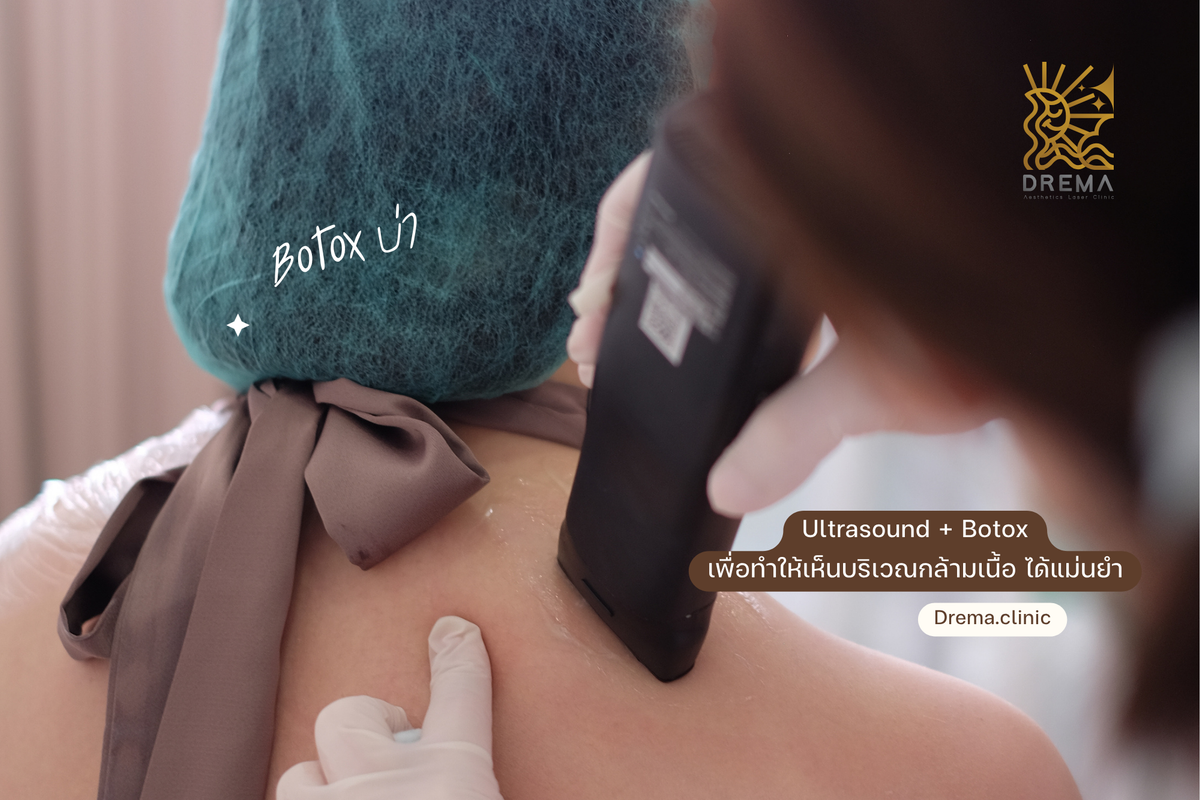
Who Should Consider This, and How to Prepare
Trap Tox may suit people with genetically or habitually hypertrophic trapezius muscles who want a slimmer neck-to-shoulder line without surgery. It requires minimal downtime, and because the effect is temporary, it's reversible.
What I want every patient to understand clearly: this is not a permanent slimming solution, and it isn't suitable for everyone. Those whose work or lifestyle relies heavily on shoulder and upper back strength — such as weightlifters — should discuss the functional trade-offs with a physician first. A proper anatomical and muscular assessment by a qualified doctor is essential to determine the right dose and injection sites for your individual anatomy, rather than applying a one-size-fits-all approach.
Final Thoughts
Botulinum toxin injection for trapezius contouring has reasonably encouraging efficacy and safety data based on current research, but it remains a relatively new application with a limited number of studies and no fully standardised injection protocol yet. I recommend consulting a doctor with detailed knowledge of neck-shoulder anatomy for maximum safety, and understanding that this is a treatment requiring repeat sessions to maintain results — not a one-time fix.