


Double-chin concern is not caused by one factor alone. In different patients, the main driver may be soft tissue descent, submental fullness, skin laxity, or contour imbalance along the jawline.
That is why the “best” thread-lift method for double chin cannot be the same for everyone. Proper planning starts with anatomy and ends with a tailored lifting vector.
Why does lower-face heaviness happen?
- Submental fat accumulation
- Loss of skin support and elasticity
- Tissue descent in the lower cheek and jaw transition
How thread lifting helps double-chin contour
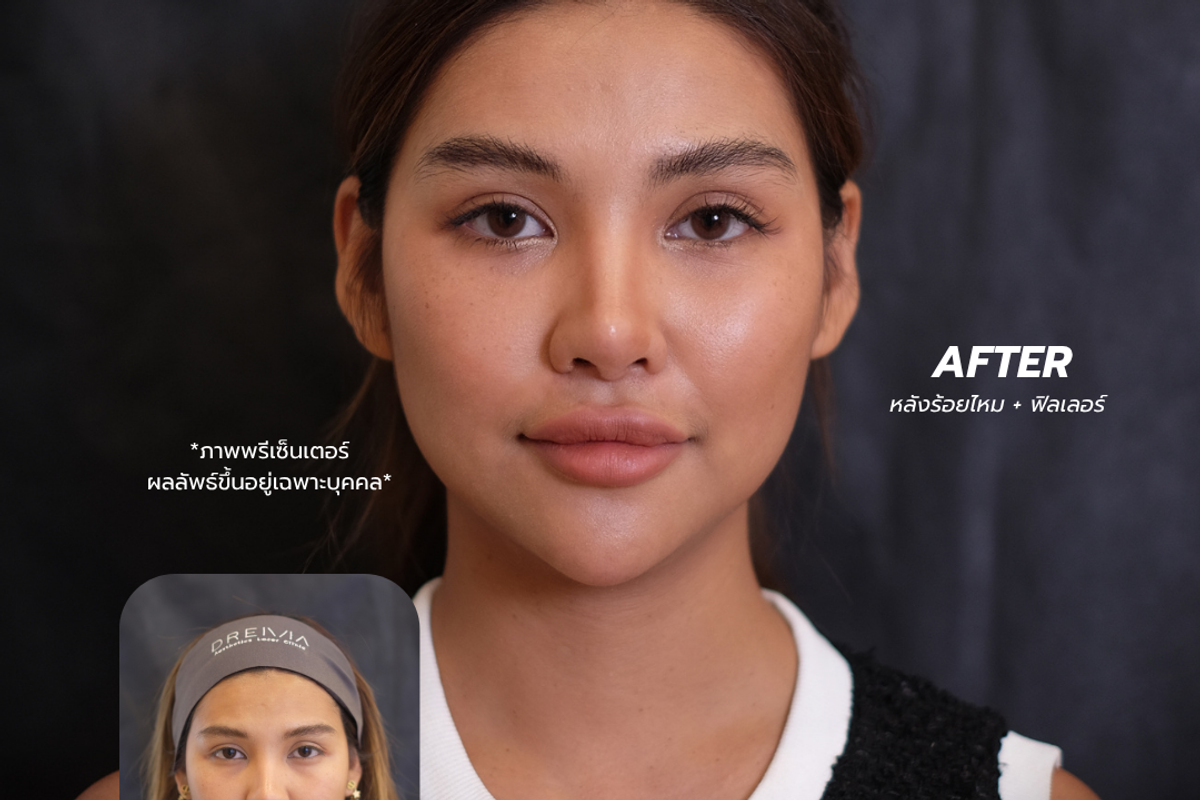
In selected cases, thread lifting can reposition soft tissue to improve lower-face framing. This may reduce visual heaviness and create a cleaner jawline profile.
- Supports lower-face lifting without surgery
- Improves jawline transition and contour line
- Can be combined with other physician-selected modalities
Facebook/Instagram content requires functionality consent
What defines the best plan?
- Correct classification of laxity severity
- Appropriate thread type and anchoring strategy
- Balanced vector design for natural movement
Who benefits most?
- Mild-to-moderate lower-face sagging
- Patients wanting a sharper but natural jawline
- Patients who prefer non-surgical planning
Limitations to understand
If the main issue is significant fat burden or severe tissue descent, thread lifting alone may be insufficient. A combined treatment strategy may provide a more stable and balanced outcome.
Aftercare for lower-face thread lifting
- Avoid pressure at the jaw and under-chin area
- Sleep position and facial movement guidance matter in early phase
- Follow scheduled reassessment for symmetry and refinement
Summary
For double-chin concerns, the best thread-lift approach is personalized medical planning. Natural results come from correct indication, precise vectors, and physician-led execution.
Related reading
• Thread Lifting: What It Is, Benefits, Thread Types, and Who It Is For
• HIFU vs Thread Lift: Which One Is Better for Sagging Face?

• Explore category: Thread Lift
• View patient outcomes: Reviews